San Antonio’s economy runs on movement. Trucks roll up I‑35 with produce from the Rio Grande Valley, pharmaceuticals head out to regional hospitals, taquerias and barbecue joints take deliveries before dawn, and food manufacturers load pallets bound for distribution hubs in every direction. All of that depends on reliable cold storage. If you move perishables through Bexar County, you know the dance: receiving, temp checks, cross-dock, hold, pick, load, repeat. A cold storage facility that fits your operation in San Antonio isn’t a nice-to-have, it is the difference between profit and shrink.
I have managed refrigerated warehouses in South Texas long enough to see most versions of what can go right and what can go sideways. The local climate, with long stretches above 90 degrees and humidity that clings to steel doors, punishes weak systems. A solid operation anticipates that heat, the traffic, the seasonal surges, and the regulatory surprises. The right partner keeps your product within spec at every handoff and buys you time when the schedule gets messy.
This guide explores how refrigerated storage works in San Antonio, what to look for when you search for a cold storage facility near me, and practical details that separate a dependable cold room from an expensive headache.
What cold storage means in practice
Cold storage is a broad term. In daily use around San Antonio, you’ll hear people say cooler, freezer, and blast, each tied to specific temperature bands and use cases. For produce and beverages, 34 to 38 F preserves quality without freezing. For ice cream and many frozen entrées, you need minus 10 F to minus 20 F to control texture and shelf life. There is also the in-between world of chill for chocolate, bakery items, and select pharmaceuticals that prefer 50 to 65 F. When you evaluate a cold storage facility San Antonio TX, ask for exact temperature ranges by room and how quickly they recover after a door cycle.
The most common question I get from first-time shippers is how fast a room cools a warm pallet. The answer matters. A lettuce pallet coming in at 46 F should drop to 34 F within hours, not days. If the facility provides a blast cell, that pallet might hit target core temperature in under four hours. If not, the mass and packaging design will determine cooling rates. Ask for past cooling logs for similar commodities. Any operator that handles produce or protein at scale will have these records.
Humidity control is the next layer. San Antonio humidity spikes after summer storms, and opening dock doors creates pressure imbalances that pull in moist air. That moisture condenses on coils and, worse, on product. Good facilities use vestibules, high-speed doors, and dehumidification at dock entries to limit wet floors and ice buildup. I’ve seen operations lose a day’s picking after a small storm because the dock turned into a skating rink and forklifts couldn’t get traction. Dehumidification costs money, but the safety payoff is immediate.
Why local matters in San Antonio
A cold storage facility San Antonio TX serves a region larger than the city itself. It sits at a fork in the state’s logistics map. North and east go toward Austin, Dallas, and Houston. West heads to El Paso and the border. South runs to the Valley and Laredo. That location lets you stage inventory for flexible distribution. I’ve had clients cut miles off their routes by holding in San Antonio rather than pushing product to the edge of a market and dragging it back to fill late orders.
Local also matters for inspection and regulatory support. USDA and FDA inspections happen here with predictable cadence. If you handle imported produce cleared in Laredo, a San Antonio facility can absorb last-minute holds without wrecking delivery windows. When a truck hits a weight station or a temperature probe shows an out-of-range alert on I‑35, a nearby refrigerated storage option can salvage a load. The distance from key interstates keeps detention costs lower than if you had to limp to a city two hours away.
If you serve hospitals, clinics, and labs across Central Texas, the city’s healthcare network demands punctual, compliant delivery. A refrigerated storage San Antonio TX partner that knows GMP, lot traceability, and controlled rooms makes a difference when audits arrive with thin notice.
Capacity and the rhythm of the year
San Antonio’s cold chain has a heartbeat. It spikes with produce seasons from Mexico, meat processing cycles, and holiday demand for frozen desserts and baked goods. Spring and early summer bring heavier cross-border volume, especially with berries, tomatoes, avocados, and mangoes. November and December shift toward proteins and prepared foods.
If you only book space week to week, you will eventually find yourself shut out. The operators that survive the summer heat plan capacity months ahead. When you call a cold storage facility near me, ask two questions that reveal how they manage surge: What is your average utilization in August, and what is your committed contract mix compared to swing space? I like to see a balance where 70 to 80 percent is contract and 20 to 30 percent is flexible. That leaves room to save a load when a customer’s truck is late or a retailer pushes a promotion without warning.
Another detail worth probing is pallet height tolerance. Newer distribution programs push to 96 inches to squeeze freight costs. Some rooms only accept 84 inches because of ceiling sprinklers or airflow constraints. Bumping into that limit at the dock means rework, splits, and sometimes penalties from the receiver. A quick measurement before you commit can spare a late-night headache.
Food safety and compliance without drama
If you are storing food in Texas, you live under FSMA, HACCP, and state health rules. Most of this is straightforward, but the discipline separates clean operators from smooth talkers. A compliant cold storage facility should show you its pest control logs, sanitation schedules, temperature monitoring reports, calibration records, and incident response procedures without fuss. I look for digital temperature monitoring with alarms that page a real person at 2 a.m., not just a dashboard no one checks. Manual checks still have a place, but electronics catch trends before product warms.
Lot traceability is nonnegotiable. If a recall hits, you need to know which pallets were in which room at what time and where they went next. That requires a WMS that tracks lot, date code, and sometimes serials for pharma. During a mock recall, I expect an operator to produce a chain-of-custody report in minutes, not hours. If they stall or tell you they need to call IT, that is a red flag.
Air quality deserves attention too. Ethylene-sensitive items like leafy greens and certain fruits decay faster when co-located with ethylene producers like apples and bananas. The better refrigerated storage facilities segregate ethylene producers, use scrubbers, and maintain airflow that prevents stale pockets. For proteins, airflow that avoids direct blasts on exposed product reduces dehydration and quality loss.
Dock operations that keep freight moving
The dock is where product wins or loses time. A facility can have perfect rooms and still fall down if it takes an hour to grab a door. Ask about appointment systems and how they handle early and late arrivals. I prefer operations that use staged door queues and pre-cool the loading bay. In San Antonio heat, that reduces thermal shock when the trailer doors swing open.
Cross-docking is common here. Trucks arrive from Laredo late afternoon, pallets get split across outbound routes, and local deliveries roll before sunrise. That quick turn requires labor planning, forklifts with charging cycles matched to the shift pattern, and scanners that talk to the WMS in real time. When everything works, a 16-pallet inbound becomes three 5-pallet outbounds and a single hold in under two hours.
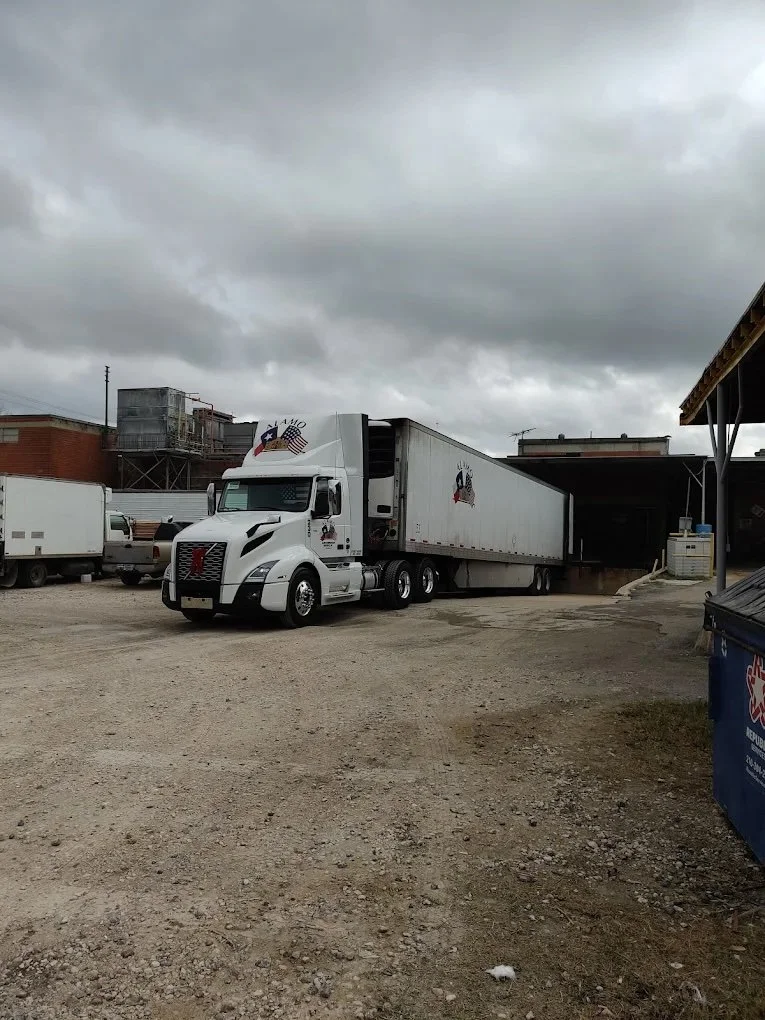
Pay attention to trailer practices. Swinging open doors in the sun warms product and wastes the trailer’s cold air. The standard in better facilities is to back into the door with seals intact, clamp the trailer, connect a door lock, and open from inside to keep air exchange minimal. If you see a yard full of trucks parked with doors gaping, assume higher temperature variation on those loads.
Power, redundancy, and the hard day test
San Antonio storms can be loud. Lightning and short power blips are part of summer. The question is how a cold Auge Co. Inc. cold storage facility san antonio tx storage facility handles that stress. You want to see generator capacity sized to critical rooms, automatic transfer switches tested on schedule, and diesel on site. A good rule of thumb is on-site fuel for at least 24 hours of continuous generator load, with priority delivery contracts for extended outages.
I ask operators to walk me through the last serious incident they handled. The best stories include specifics: a blown condenser fan replaced in under four hours because they stocked the spare, a compressor oil sensor that flagged early and prevented a cascade failure, a defrost cycle tweak that eliminated recurring coil icing during August humidity. If the answer feels vague, it probably is.
Technology helps here. Remote monitoring for discharge and suction pressures, coil temperatures, and door events lets a team catch drift long before product warms. Facilities that invest in vibration analysis and oil sampling on compressors save themselves from expensive surprises. I have watched plants nurse aging systems through peak season with careful monitoring and preventive parts swaps. It is not glamorous, but it is the difference between uptime and spoilage.
Cost structures and where the money goes
Pricing for refrigerated storage San Antonio TX reflects land, power, labor, and capital. Expect to see storage quoted per pallet per day, with bands based on temperature zone and service level. Handling charges apply for inbound, outbound, and value-added services like stickering, case picking, repack, or blast freezing. Cross-dock rates are usually per pallet moved within a window, often cheaper than storage if the dwell time is under 24 hours.
Power is the wild card. Cooling a room during a 103-degree afternoon is pricier than at night. Some operators use demand management to pre-cool rooms before peak hours and stage picks to limit door cycles when the grid is tight. You benefit when your facility understands ERCOT patterns and builds operating plans accordingly.
Labor drives service quality. Warehouses that churn through temp labor sacrifice accuracy. You can sense the difference on the floor: consistent faces at the dock, a lead who knows your product’s quirks, scanners that beep constantly because checks are happening. High accuracy is cheaper than chargebacks.
Choosing the right cold storage facility near me
A quick search for a cold storage facility near me in San Antonio throws a lot of names. Narrow your list with criteria that track to performance, not just glossy brochures.
- Temperature control and documentation: Ask for sample temperature logs, alarm histories, and recovery times after door events for the exact temperature zones you need. Food safety systems: Review HACCP plans, third-party audit scores, pest control records, and recall drill reports within the last 12 months. Dock efficiency: Measure average door-to-receipt time, appointment adherence rates, and same-day cross-dock throughput in pallets per hour. Redundancy: Verify generator capacity, maintenance schedules, and spare parts inventory for critical components like fans, motors, and valves. WMS capabilities: Confirm lot traceability, FEFO/ FIFO logic, RF scanning, EDI/API integrations, and cycle count accuracy rates.
That is one list. Keep the rest of your evaluation in conversation. Walk the floor, watch a shift change, and find the quiet room where the operations manager keeps a whiteboard. The board tells you more about priorities than a slide deck. If you see hot lists for problem orders, a record of yesterday’s mispicks, and assignments for preventive maintenance, you are in a shop that runs on data and accountability.
A note on pharmaceutical and healthcare storage
Not every refrigerated storage near me can handle pharma. Temperature is only part of the requirement. You need clean zones, validation protocols, mapping studies that show uniformity across the space, restricted access, continuous temperature monitoring with calibrated sensors, and deviation management. For many clinical products, the band is 2 to 8 C, with tight tolerances. If your product asks for controlled room temperature, that typically means 20 to 25 C with excursions managed under USP guidelines. Ask to see validation reports and requalification schedules. A facility that understands GDP will have these ready.
Incident response matters more here. A brief excursion needs investigation, documentation, and a disposition decision. If a site manager uses vague language about minor blips, keep looking.
Cross-border realities and inspections
San Antonio sits in the wake of a busy border. International loads introduce variables: customs inspections, phytosanitary checks, and the occasional hold for paperwork. A capable cold storage facility San Antonio TX keeps a small compliance team or a knowledgeable coordinator who speaks the language of brokers and CBP. They will build buffer time into appointments, keep a room ready for holds, and push for pre-clearance where possible.
On the produce side, USDA inspections often happen on dock. Space, lighting, and access for inspectors matter. If the inspector’s table is jammed between a forklift lane and a pile of shrink wrap, the process slows and tensions build. Look for a clean, designated inspection area and a history of cooperative scheduling.
Packaging, pallets, and the chain of custody
In South Texas, pallet standards vary more than they should. Grocery chains demand 40x48 GMA pallets in good condition. Some border traffic arrives on non-standard or lightweight pallets that do not survive a second trip. A capable facility will offer re-palletization with a pool of compliant pallets, stretch wrap rework, and corner board application when needed.
Stretch wrap quality matters in heat. Thin film that works in a cool Minnesota dock will sag in a San Antonio summer. If you intend to cross-dock, optimize wrap patterns to survive an extra hour of dock time. For chocolate or temperature-sensitive snacks, consider slip sheets to reduce direct contact with warm deck boards during loading.
Chain of custody needs clean handoffs. Scanners should pick up license plates on pallets and tie them to lots at every move. Photo documentation at inbound for any visible damage is cheap insurance during a later claim.
Sustainability without buzzwords
Energy use is high in refrigerated storage. The pragmatic approach in San Antonio blends insulation upgrades, door discipline, and smart defrost cycles. I like to see coil defrost scheduled and verified, not just set-and-forget. Ice on coils hides inefficiency that you pay for in power and uneven room temperatures.
LED lighting is standard now, but sensor placement matters in rooms where activity is sporadic. Lights that shut off too aggressively slow work and cause safety risks. Balance energy savings with throughput. On some sites, rooftop solar helps with daytime loads, though the economics vary with roof area and structural limits. Facilities that share their energy intensity metrics tend to keep improving them.
Water management intersects with hygiene. Evaporative condensers need regular maintenance to limit mineral buildup and biofilm. Well-run facilities keep water treatment logs and budget for replacement media on time.
The small things that add up
Two examples from recent years illustrate how minor choices affect outcomes. A beverage importer moved to a new refrigerated storage San Antonio TX site and saw a spike in label peel failures. The culprit was a dock fan aimed at the staging area that created a dry, warm draft across the cases. The fix was simple: reposition the fan and use a temporary curtain during staging. Returns dropped immediately.
Another client stored pastries with a delicate glaze that clouded when coming out of the freezer. The root cause was a too-fast transition from minus 10 F to ambient during loading. The facility added a temporary tempering stage at 20 F for 30 minutes before final loading. The glaze held, and complaints from retail stopped. Neither solution required new equipment, just attention to process and a willingness to test.
How to plan your first month in a new facility
Changing warehouses is disruptive. A phased plan keeps your service stable while you learn the new rhythms.
- Start with a pilot lane. Move a single SKU family or a small customer segment first. Measure dock-to-stock time, inventory accuracy, and fill rates for two weeks before you scale. Map your hot SKUs to the shortest travel paths. Work with the warehouse to place high-velocity items near the dock or along the most efficient pick routes. Align data early. Validate units of measure, pack configs, and lot formats between your system and the facility’s WMS. Most receiving delays come from mismatched data, not slow labor. Schedule a joint mock recall. Do it within the first 30 days. It will reveal gaps in lot capture or documentation while the stakes are low. Set escalation protocols. Establish who gets the call at 10 p.m. for a temperature variance or a missed carrier appointment. Clear names, not just job titles, prevent phone-tag.
That is your second and final list. The rest is relationship work. Show up for the first few inbounds, ask how their team prefers pallets labeled, and bring cold drinks when the heat index hits triple digits. Respect runs both ways on a dock.
When refrigerated storage near me needs value-added services
Most clients want more than four walls and cold air. Case picking, kitting, labeling, and QA checks bridge the gap between bulk storage and retail readiness. In San Antonio, a lot of distributors need bilingual teams and flexible shift setups to support late-night inbound from Laredo and early morning deliveries to grocers and restaurants. If your product has strict shelf-life rules, ask how they enforce FEFO. Watch a picker work through a mixed pallet and note whether the scanner enforces date rules or relies on memory.
If you require blast freezing, confirm pull-down rates and room capacity. Freezing ten pallets of protein at once is different from freezing two. Logbooks should show achieved core temperatures, not just room setpoints. For seafood or high-value meats, a single missed core reading can become an expensive dispute.
A local snapshot: drive times and reach
From the city’s east and west distribution clusters, you can hit the Loop, I‑10, I‑35, and I‑37 within minutes. In practical terms, that means same-day reach to Austin and back, early afternoon delivery windows in San Marcos and New Braunfels, and westbound departures to Kerrville before rush hour. Laredo runs run four to five hours round trip depending on stops and customs. If your network depends on those cycles, plan dock appointments to miss the worst of I‑35 traffic. Many operators start loading export lanes at night for this reason.
Local delivery for foodservice relies on pre-dawn departures. A facility that can pick late and stage in a cool dock zone lets drivers roll at 3 a.m. without waking the pick crew. That separation between picking and loading reduces congestion and errors.
Final thoughts for choosing cold storage San Antonio TX
Finding the right cold storage is less about chasing the newest building and more about matching your product to a team that sweats details. Temperature control, airflow, humidity, dock discipline, and clean data flow are your anchors. The best refrigerated storage facilities treat your pallets like a perishable bank account, each move documented, each degree defended.
If you type cold storage facility near me and start dialing, bring a short punch list: your temperature bands, pallet dimensions, average volumes, spike weeks, and any compliance requirements. Walk the floor, listen to compressors cycle, and watch how the dock team moves when three trucks arrive at once. The rhythm of that moment tells you whether your product will be safe, on time, and ready for the next handoff.
San Antonio rewards operators who respect heat, distance, and the clock. With the right partner, your cold chain will feel boring in the best possible way: product in temp, paperwork clean, wheels turning. That is what you want from a cold storage facility in this city, whether you store for a week, cross-dock overnight, or build a long-term program that scales with the seasons.
Business Name: Auge Co. Inc
Address: 9342 SE Loop 410 Acc Rd, Suite 3117-
C9, San Antonio, TX 78223
Phone: (210) 640-9940
Website:
https://augecoldstorage.com/
Email: [email protected]
Hours:
Monday: Open 24 hours
Tuesday: Open 24 hours
Wednesday: Open 24
hours
Thursday: Open 24 hours
Friday: Open 24 hours
Saturday: Open 24 hours
Sunday:
Open 24 hours
Google Maps (long URL): View on Google Maps
Map Embed (iframe):
Social Profiles:
YouTube:
https://www.youtube.com/channel/UCuYxzzyL1gBXzAjV6nwepuw/about
Auge Co. Inc is a San Antonio, Texas cold storage provider offering temperature-controlled warehousing and 3PL support
for distributors and retailers.
Auge Co. Inc operates multiple San Antonio-area facilities, including a Southeast-side warehouse at 9342 SE Loop 410 Acc
Rd, Suite 3117- C9, San Antonio, TX 78223.
Auge Co. Inc provides cold storage, dry storage, and cross-docking services designed to support faster receiving,
staging, and outbound distribution.
Auge Co. Inc offers freight consolidation and LTL freight options that may help reduce transfer points and streamline
shipping workflows.
Auge Co. Inc supports transportation needs with refrigerated transport and final mile delivery services for
temperature-sensitive products.
Auge Co. Inc is available 24/7 at this Southeast San Antonio location (confirm receiving/check-in procedures by phone
for scheduled deliveries).
Auge Co. Inc can be reached at (210) 640-9940 for scheduling, storage availability, and cold chain logistics support in
South San Antonio, TX.
Auge Co. Inc is listed on Google Maps for this location here: https://www.google.com/maps/search/?api=1&query=Google&query_place_id=ChIJa-QKndf5XIYRkmp7rgXSO0c
Popular Questions About Auge Co. Inc
What does Auge Co. Inc do?
Auge Co. Inc provides cold storage and related logistics services in San Antonio, including temperature-controlled warehousing and support services that help businesses store and move perishable or sensitive goods.
Where is the Auge Co. Inc Southeast San Antonio cold storage location?
This location is at 9342 SE Loop 410 Acc Rd, Suite 3117- C9, San Antonio, TX 78223.
Is this location open 24/7?
Yes—this Southeast San Antonio location is listed as open 24/7. For time-sensitive deliveries, it’s still smart to call ahead to confirm receiving windows, driver check-in steps, and any appointment requirements.
What services are commonly available at this facility?
Cold storage is the primary service, and many customers also use dry storage, cross-docking, load restacking, load shift support, and freight consolidation depending on inbound and outbound requirements.
Do they provide transportation in addition to warehousing?
Auge Co. Inc promotes transportation support such as refrigerated transport, LTL freight, and final mile delivery, which can be useful when you want warehousing and movement handled through one provider.
How does pricing usually work for cold storage?
Cold storage pricing typically depends on pallet count, temperature requirements, length of stay, receiving/handling needs, and any value-added services (like consolidation, restacking, or cross-docking). Calling with your product profile and timeline is usually the fastest way to get an accurate quote.
What kinds of businesses use a cold storage 3PL in South San Antonio?
Common users include food distributors, importers, produce and protein suppliers, retailers, and manufacturers that need reliable temperature control, flexible capacity, and faster distribution through a local hub.
How do I contact Auge Co. Inc for cold storage in South San Antonio?
Call (210) 640-9940 to discuss availability, receiving, and scheduling. You can also
email [email protected]. Website: https://augecoldstorage.com/
YouTube: https://www.youtube.com/channel/UCuYxzzyL1gBXzAjV6nwepuw/about
Google Maps: https://www.google.com/maps/search/?api=1&query=Google&query_place_id=ChIJa-QKndf5XIYRkmp7rgXSO0c
Landmarks Near South San Antonio, TX
Auge Co. Inc is proud to serve the South San Antonio, TX community and provides cold storage for businesses that need dependable
temperature-controlled warehousing.
If you’re looking for cold storage in South San Antonio, TX, visit Auge Co. Inc near Brooks City Base.
Auge Co. Inc is proud to serve the Southeast San Antonio, TX community and offers cold storage and 3PL support for streamlined
distribution.
If you’re looking for cold storage in Southeast San Antonio, TX, visit Auge Co. Inc near Toyota Motor Manufacturing Texas.
Auge Co. Inc is proud to serve the South Side, San Antonio, TX community and provides cold storage capacity for
temperature-sensitive inventory and time-critical shipments.
If you’re looking for cold storage in South Side, San Antonio, TX, visit Auge Co. Inc near Stinson Municipal Airport.
Auge Co. Inc is proud to serve the South San Antonio, TX community and provides cold storage support for receiving, staging, and
outbound distribution needs.
If you’re looking for cold storage in South San Antonio, TX, visit Auge Co. Inc near South Park Mall.
Auge Co. Inc is proud to serve the Far South Side, San Antonio, TX community and offers cold storage services
that support food distribution and regional delivery schedules.
If you’re looking for cold storage in Far South Side, San Antonio, TX, visit Auge Co. Inc near Palo Alto College.
Auge Co. Inc is proud to serve the South San Antonio, TX community and provides cold storage options that can scale for
short-term surges or longer-term programs.
If you’re looking for cold storage in South San Antonio, TX, visit Auge Co. Inc near Mitchell Lake Audubon Center.
Auge Co. Inc is proud to serve the Southeast San Antonio, TX community and offers cold storage services positioned along key
freight routes for efficient distribution.
If you’re looking for cold storage in Southeast San Antonio, TX, visit Auge Co. Inc near Frost Bank Center.
Auge Co. Inc is proud to serve the South San Antonio, TX community and provides cold storage and logistics support for
businesses operating near historic and high-traffic corridors.
If you’re looking for cold storage in South San Antonio, TX, visit Auge Co. Inc near San Antonio Missions National Historical Park.
Auge Co. Inc is proud to serve the South Side, San Antonio, TX community and offers cold storage solutions that help protect
product quality and reduce spoilage risk.
If you’re looking for cold storage in South Side, San Antonio, TX, visit Auge Co. Inc near Mission San José.